Using an inspection and what you get from it
Beyond knowing what the pros check, a Garrett owner benefits from understanding what an inspection produces and how to use it. A proper inspection results in actionable information about the roof.
A documented report of findings
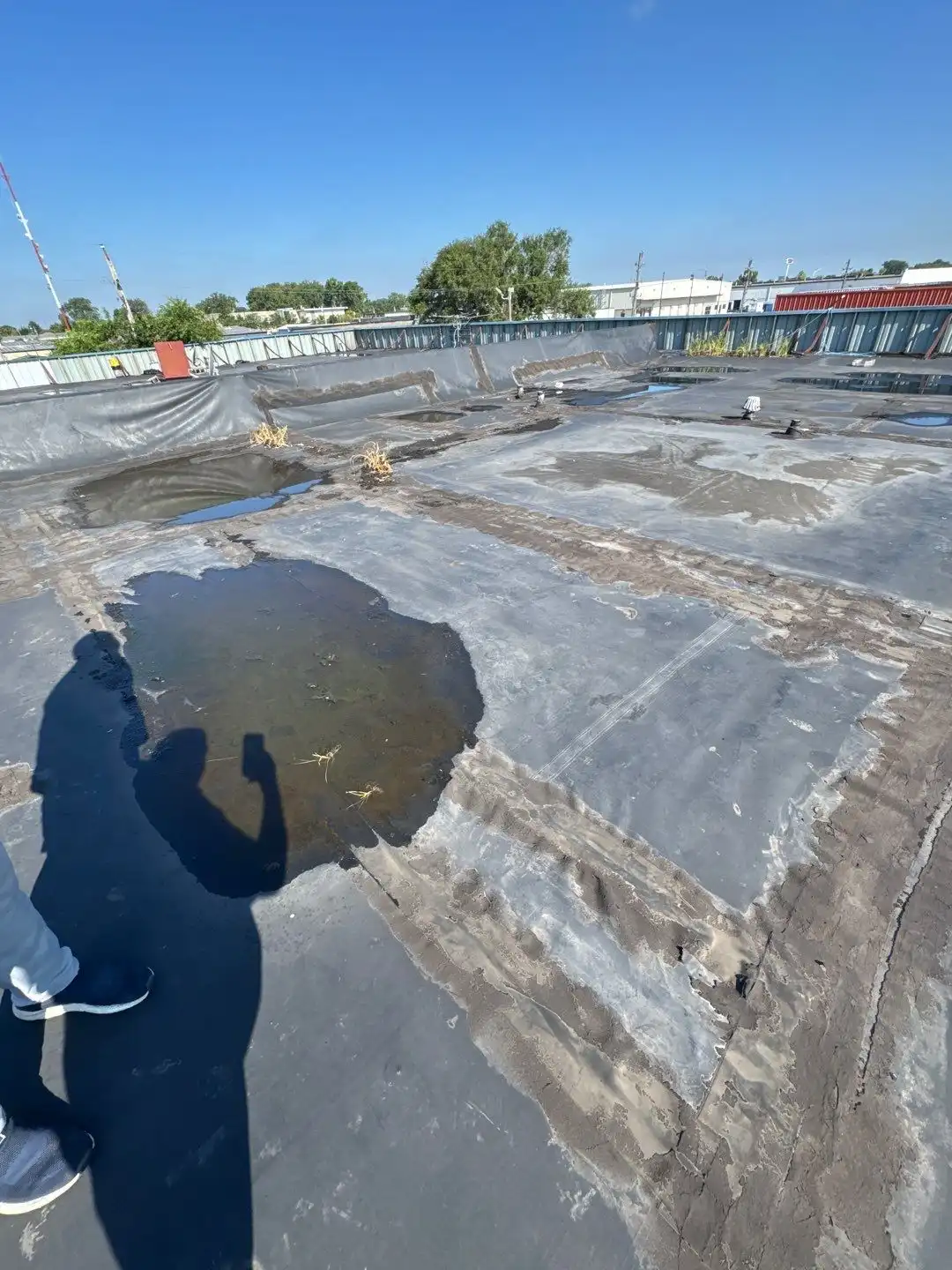
A proper inspection produces a documented report of the findings, the roof's condition, the problems found, their locations, and often photos, giving the owner a clear record of the roof's state. This documentation is the tangible result of the inspection. For a roof, a documented report turns the inspection into a usable record, letting the owner understand the roof's condition, track it over time, and make informed decisions based on the findings rather than guesswork.
Prioritized recommendations
A good inspection includes prioritized recommendations, what needs attention now, what to monitor, and what can wait, helping the owner act sensibly on the findings. This guidance turns the assessment into a plan. For a DeKalb County roof, prioritized recommendations let the owner address the urgent problems first and budget for the rest, making the inspection practically useful rather than just a list of issues, which is part of what a professional inspection should provide.
Informing maintenance and planning
The inspection informs ongoing maintenance and longer term planning, identifying the repairs and upkeep the roof needs and helping gauge its remaining life for replacement planning. Regular inspections track the roof's condition over time. For a Garrett roof, using inspections to guide maintenance and anticipate replacement turns them into the foundation of managing the roof as an asset, catching problems early and planning ahead rather than reacting to failures.
When and how often to inspect
Inspections are most valuable done regularly, commonly twice a year and after major storms, so problems are caught early and the roof's condition is tracked. Regular inspection is far cheaper than the damage missed problems cause. For a roof, establishing a regular inspection schedule, ideally as part of a maintenance plan, ensures the roof is monitored consistently, which is the practical way to get the ongoing value that inspections provide for a commercial roof.
Making inspections work for your roof
A proper inspection produces a documented report and prioritized recommendations that inform maintenance and planning, and doing it regularly maximizes the value. For a DeKalb County owner, using inspections this way, as a source of actionable information done consistently, turns them into the foundation of caring for the roof, catching problems early and managing the roof knowledgeably rather than reacting to failures after the fact.
Get a documented inspection and a plan
It also helps to treat inspection as ongoing rather than one time, because a roof's condition changes over time and regular examination catches new problems while they are small. A DeKalb County owner who establishes a consistent inspection schedule, commonly twice a year and after storms, keeps the roof monitored and the problems caught early, while one who inspects only when something goes wrong is already reacting to damage. Regular inspection is the practical foundation of caring for a roof, far cheaper than the failures that missed problems eventually cause.
The broader point about a roof inspection is that its value lies entirely in its thoroughness, since a cursory walk around that glances at the surface misses the details, drainage, and subsurface conditions where problems actually live. A Garrett owner who understands what a proper inspection covers can insist on that completeness, getting a real assessment rather than a reassuring but shallow look. The inspections that protect a roof are the systematic ones, which is why knowing what the pros should examine helps an owner expect and value a genuinely thorough job.
Finally, an inspection is only useful if it produces something an owner can act on, which is why a documented report with prioritized recommendations matters as much as the examination itself. A owner who receives a clear record of the findings and guidance on what to address now versus later can manage the roof knowledgeably, budgeting and planning rather than guessing. That actionable output turns an inspection from an event into a tool, supporting the ongoing care that keeps a commercial roof healthy and reaching its full life.
It also helps to treat inspection as ongoing rather than one time, because a roof's condition changes over time and regular examination catches new problems while they are small. A DeKalb County owner who establishes a consistent inspection schedule, commonly twice a year and after storms, keeps the roof monitored and the problems caught early, while one who inspects only when something goes wrong is already reacting to damage. Regular inspection is the practical foundation of caring for a roof, far cheaper than the failures that missed problems eventually cause.
The broader point about a roof inspection is that its value lies entirely in its thoroughness, since a cursory walk around that glances at the surface misses the details, drainage, and subsurface conditions where problems actually live. A Garrett owner who understands what a proper inspection covers can insist on that completeness, getting a real assessment rather than a reassuring but shallow look. The inspections that protect a roof are the systematic ones, which is why knowing what the pros should examine helps an owner expect and value a genuinely thorough job.
Finally, an inspection is only useful if it produces something an owner can act on, which is why a documented report with prioritized recommendations matters as much as the examination itself. A owner who receives a clear record of the findings and guidance on what to address now versus later can manage the roof knowledgeably, budgeting and planning rather than guessing. That actionable output turns an inspection from an event into a tool, supporting the ongoing care that keeps a commercial roof healthy and reaching its full life.
It also helps to treat inspection as ongoing rather than one time, because a roof's condition changes over time and regular examination catches new problems while they are small. A DeKalb County owner who establishes a consistent inspection schedule, commonly twice a year and after storms, keeps the roof monitored and the problems caught early, while one who inspects only when something goes wrong is already reacting to damage. Regular inspection is the practical foundation of caring for a roof, far cheaper than the failures that missed problems eventually cause.
The broader point about a roof inspection is that its value lies entirely in its thoroughness, since a cursory walk around that glances at the surface misses the details, drainage, and subsurface conditions where problems actually live. A Garrett owner who understands what a proper inspection covers can insist on that completeness, getting a real assessment rather than a reassuring but shallow look. The inspections that protect a roof are the systematic ones, which is why knowing what the pros should examine helps an owner expect and value a genuinely thorough job.
Garrett Commercial Roofing provides Garrett owners with documented inspections, prioritized recommendations, and a maintenance plan to keep the roof monitored. Call (765) 676-3491 to get a thorough inspection and a plan for your roof. An inspection you can act on is what separates informed roof care from an expensive guess.